
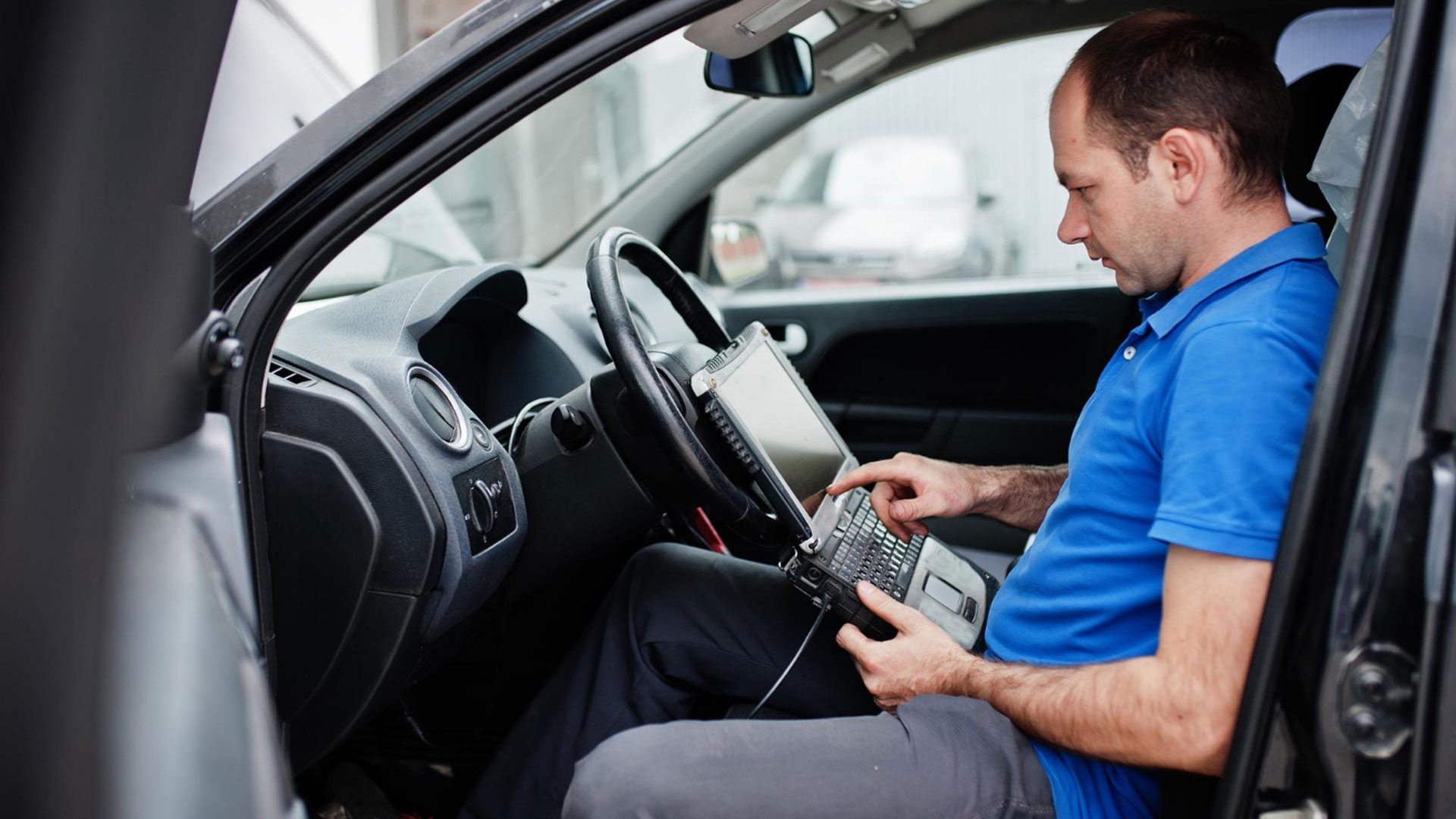
⚡ TL;DR - Quick Summary
- ADAS = Advanced Driver Assistance Systems (cameras & sensors that prevent accidents)
- If your car is from 2018 or newer, you likely have ADAS
- Key features: Auto Emergency Braking, Lane Keeping, Blind Spot Monitoring
- These systems need recalibration after windshield replacement, collisions, or alignment
- Miscalibrated ADAS = safety risk. Contact us to get yours checked
If you've purchased a car in the last few years, it came equipped with technology that's actively working to keep you safe—even when you don't realize it. These features are part of a system known as ADAS, and understanding how it works could save your life.
In This Guide:
1. What Does ADAS Stand For and What Is It?
ADAS stands for Advanced Driver Assistance Systems. It's a collective term for the electronic systems in your vehicle that use advanced technologies to assist you while driving. Think of ADAS as your vehicle's co-pilot—constantly monitoring the road, other vehicles, pedestrians, and potential hazards to help prevent accidents before they happen.
These systems use a combination of sensors, cameras, radar, and sometimes LiDAR (Light Detection and Ranging) to create a 360-degree awareness around your vehicle. The data collected by these sensors is processed by sophisticated computers that can react faster than any human driver.
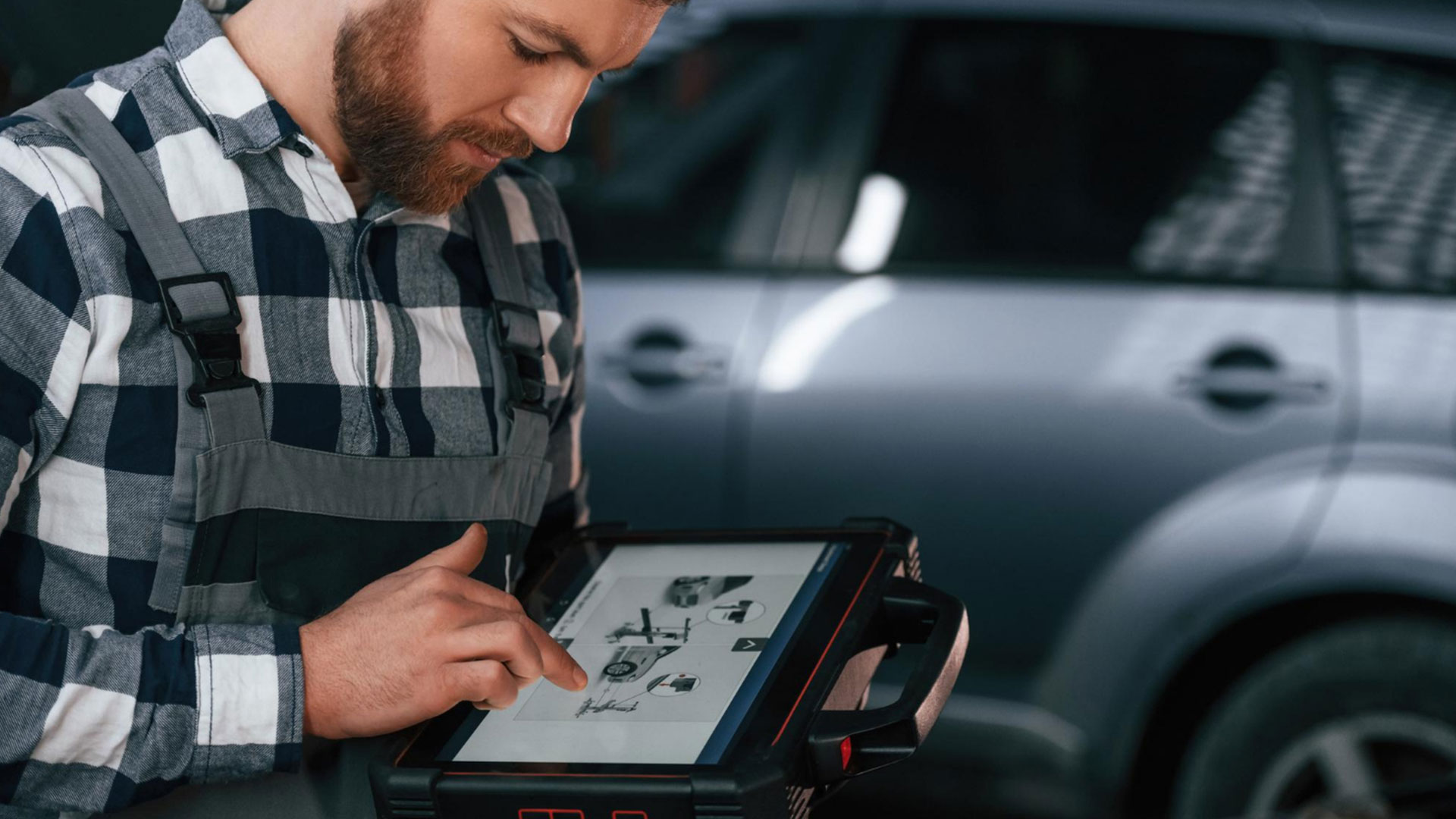
Key ADAS Components
- Forward-facing cameras – Usually mounted behind the windshield, monitoring the road ahead
- Radar sensors – Located in the front bumper and side mirrors for distance detection
- Ultrasonic sensors – Found around the vehicle for parking assistance
- Rear cameras – Standard backup cameras for reversing safety
2. Common ADAS Features in Modern Vehicles
While the specific features vary by manufacturer and model, here are the most common ADAS technologies you'll find in vehicles today:
Forward Collision Warning (FCW) & Automatic Emergency Braking (AEB)
These systems detect when a collision with a vehicle or pedestrian ahead is imminent. FCW alerts you with visual and audio warnings, while AEB can automatically apply the brakes if you don't respond in time. Studies show AEB reduces rear-end crashes by up to 50%.
Lane Departure Warning (LDW) & Lane Keep Assist (LKA)
LDW alerts you when your vehicle begins to drift out of its lane without a turn signal activated. LKA takes it further by gently steering the vehicle back into the center of the lane. Essential for preventing accidents caused by drowsy or distracted driving.
Blind Spot Monitoring (BSM)
Using radar sensors, BSM detects vehicles in your blind spots and alerts you with a visual indicator (usually in your side mirrors) and sometimes an audible warning if you attempt to change lanes when a vehicle is present.
Adaptive Cruise Control (ACC)
Goes beyond traditional cruise control by automatically adjusting your speed to maintain a safe following distance from the vehicle ahead. Some systems can bring your car to a complete stop in traffic and resume when traffic moves.
Parking Assistance & 360° Cameras
From simple backup cameras to advanced systems that can parallel park your car automatically, these features use multiple cameras and sensors to make parking safer and easier.
Night Vision & Pedestrian Detection
Advanced systems use infrared cameras to detect pedestrians, cyclists, and animals beyond your headlight range, displaying them on your dashboard screen.
3. How ADAS Keeps You and Your Family Safe
The statistics speak for themselves. ADAS technologies have been proven to significantly reduce accidents and save lives:
These systems are particularly effective because they address the leading causes of accidents:
- Distracted driving – ADAS can alert you or take action when your attention lapses
- Following too closely – Adaptive cruise control maintains safe distances automatically
- Blind spot errors – BSM catches what your mirrors miss
- Drowsy driving – Lane keeping systems can prevent drifting when fatigue sets in

4. Which Vehicles Have ADAS?
If you own a vehicle manufactured after 2018, you almost certainly have some form of ADAS technology. Since 2018, backup cameras became mandatory in all new vehicles sold in Canada. Since then, manufacturers have rapidly expanded ADAS features across their lineups.
How Do I Know If MY Car Has ADAS?
Look for these icons on your dashboard or instrument cluster:
- Car with lines on either side = Lane Departure Warning
- Car with radiating waves in front = Forward Collision Warning
- Car icon in a triangle/mirror = Blind Spot Monitoring
- BRAKE in red letters = Automatic Emergency Braking active
Quick check: Look at your windshield behind the rearview mirror. See a camera housing? That's your ADAS forward camera.
Popular vehicles with comprehensive ADAS packages include:
- Toyota Safety Sense (Corolla, Camry, RAV4, Highlander)
- Honda Sensing (Civic, Accord, CR-V, Pilot)
- Hyundai SmartSense (Elantra, Sonata, Tucson, Santa Fe)
- Ford Co-Pilot360 (Escape, Explorer, F-150)
- Subaru EyeSight (Outback, Forester, Crosstrek)
- GM Super Cruise (Cadillac, GMC, Chevrolet)
5. Why Proper ADAS Maintenance Matters
Here's the critical information that many vehicle owners don't know: ADAS systems require precise calibration to function correctly, and this calibration can be disrupted more easily than you might think.
Your ADAS sensors and cameras are calibrated at the factory to exact specifications. Even small changes to your vehicle can throw these systems out of alignment:
- Windshield replacement – The forward-facing camera is mounted to your windshield. A new windshield requires recalibration.
- Wheel alignment – Changes to your vehicle's alignment can affect sensor accuracy.
- Collision repair – Even minor fender benders can shift sensor positions.
- Suspension work – Any changes to ride height affect sensor angles.

Warning Signs Your ADAS Needs Calibration
- Dashboard warning lights for lane assist, collision warning, or other ADAS features
- False warnings or alerts when there's no actual hazard
- ADAS features not activating when they should
- After any windshield replacement, collision repair, or alignment service
Driving with miscalibrated ADAS is dangerous. A camera that's off by even a fraction of a degree may not detect obstacles correctly, or worse, could cause your vehicle to brake or steer unexpectedly.
What Does ADAS Calibration Cost?
ADAS calibration typically starts from $140+, but the final cost depends on several factors:
- Your vehicle's make and model
- Which sensors or cameras need calibration
- Whether static, dynamic, or both calibration types are required
- The complexity of your vehicle's ADAS system
Want an accurate quote? Contact us with your vehicle details and we'll provide a personalized estimate.
Is Your ADAS Working Properly?
At TRUE ADAS Solutions Canada, we specialize in precision ADAS calibration for all makes and models. Our certified technicians use factory-grade equipment to ensure your safety systems perform exactly as intended.
Book Your ADAS InspectionConclusion
ADAS technology is silently working to protect you every time you drive. But like any sophisticated technology, it requires proper calibration to function correctly.
Bottom line: If you've recently had windshield work, collision repairs, or alignment services—or if you're seeing any ADAS warning lights—get your system checked. Your safety depends on it.

TrueADAS Technical Team
Our certified technicians bring over two decades of combined experience in automotive safety systems. We're committed to keeping Canadian drivers safe through precision ADAS calibration and education.